Bela Lugosi’s Dead
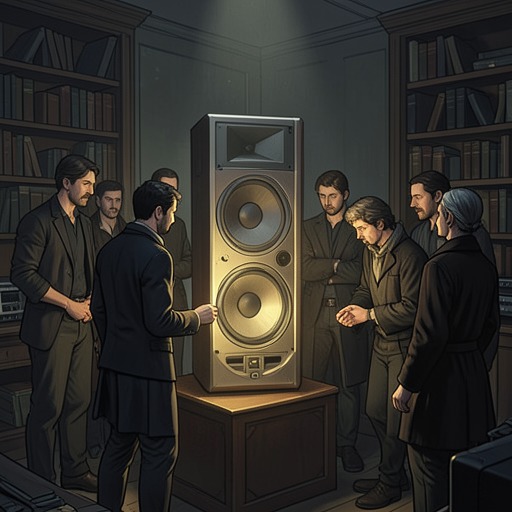
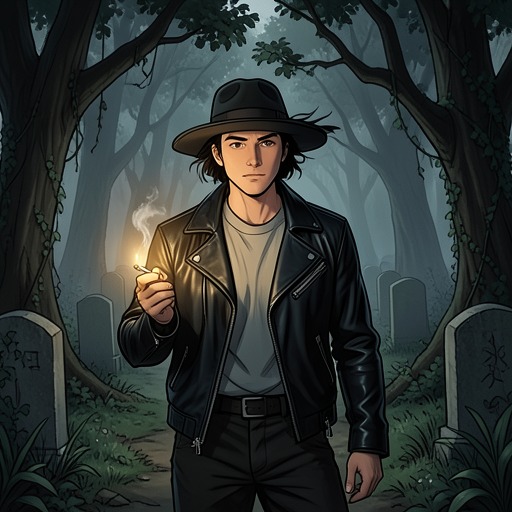
A History of the Vampire in Popular CultureBela Lugosi’s Dead is a landmark vampire song by Bauhaus and one of the central musical expressions through which the modern vampire entered goth culture. Its importance lies not only in its subject matter but in its afterlife: the recording became an instantly recognizable invocation of the undead, helped establish the vocabulary of gothic music, and gained further force through its use in The Hunger.
Origin and Recording
Bela Lugosi’s Dead was written by Bauhaus guitarist Daniel Ash and bassist David J, with its lyrics inspired by old horror films David J had watched on television in the late 1970s. The song’s musical construction is deliberately unusual. It begins with a bossa nova beat and a riff that Ash later realized had been influenced by an old Gary Glitter song, turning disparate popular sounds into something that could evoke cinematic horror without simply reproducing it.
The recording took place at Beck Studios in Wellingborough, Northamptonshire, and was engineered by Derek Tompkins. Bauhaus recorded the song in a single take, even though it was the band’s first visit to a professional studio. The performance therefore carries both technical economy and the charged quality of an inaugural recording session. Peter Murphy’s vocal does not enter until more than two and a half minutes into the track; this was also the first time he had sung into a studio microphone. Murphy had a cold during the session, a circumstance that contributed to the intensity of the vocal sound rather than diminishing it.
From Horror Song to Goth Anthem
The song’s vampire imagery is direct, but its effect depends on atmosphere as much as on narrative. Its threatening monotone establishes an ominous register before the vocal appears, creating an extended interval of anticipation. The result is less a conventional story about a vampire than an invocation of the vampire as a cultural presence: distant, theatrical, and difficult to dispel.
Bela Lugosi’s Dead became especially powerful because it appeared at the moment when the goth subculture was emerging in Britain. The goth movement developed from post-punk clubs in northern England in the early 1980s, during political unrest and economic depression, and quickly expanded from a musical genre into a broader culture of fashion and identity. The song’s severe sound and undead imagery offered a natural soundtrack for that transformation, even though Bauhaus themselves sometimes attempted to distance the band from the goth label.
Its reputation has consequently exceeded the size of its reference. Bauhaus produced a large body of work that does not mention vampires, yet Bela Lugosi’s Dead remains the recording most readily associated with the band and with the musical spirit of the vampire. The song became, in effect, a public emblem that fixed one particular performance in the cultural imagination.
The Hunger and Visual Immortality
The song acquired an additional layer of meaning through The Hunger, which opens with Catherine Deneuve and David Bowie stalking a nightclub as glamorous predators. On a huge screen, Bauhaus perform Bela Lugosi’s Dead, with singer Peter Murphy looming over the crowd. The placement is decisive: the song does not merely accompany the film’s vampires but announces the film’s world before their nature has been fully explained.
The sequence binds several forms of cultural memory together. Bela Lugosi’s name recalls the actor whose 1931 performance established one of the most influential public images of Count Dracula, while the song relocates that image into the nightclub, the post-punk scene, and the visual language of modern goth. The Hunger thus makes the recording part of a chain running from classic vampire cinema to contemporary music and fashion.
The film’s vampires also embody the transformation of the type that the song helped represent. John is an eighteenth-century cellist played by David Bowie, while Miriam, played by Deneuve, is an older and manipulative vampire who promises her lovers eternal life. John receives immortality but not eternal youth: after two hundred years, he begins to age and decay over the course of days. His eventual confinement among Miriam’s previous lovers turns the promise of eternal life into unending undeath. Against this story of beauty collapsing into bodily ruin, the song’s dark glamour becomes both seductive and ominous.
Cultural Afterlife and Self-Contradiction
Bela Lugosi’s Dead has often been described as the Stairway To Heaven of the 1980s, a comparison associated with Peter Murphy. The phrase captures the song’s status as a defining work of its period, but its history is also marked by contradiction. It is treated as a foundational goth track even though the musicians did not necessarily accept the category imposed upon them, and it stands for a wider body of Bauhaus work that the song does not represent by itself.
That tension reflects a broader pattern in vampire culture. Modern vampires can be traditional predators, sympathetic outcasts, glamorous companions, comic figures, or figures of social difference. The vampire’s flexibility has allowed the image to move from nineteenth-century fiction and expressionist cinema into television, popular music, and subculture. Bela Lugosi’s Dead participates in that movement by making the vampire less a fixed monster than an atmosphere that can be performed, replayed, and adopted.
Its durability also depends on the meeting of horror and pleasure. The song’s sound is threatening, but its association with fashion, performance, and nightlife gives the threat an aesthetic charge. That combination helps explain why the vampire remains attractive rather than merely frightening, and why goth culture could carry the imagery out of the grave and into daylight. Bauhaus’s recording is therefore both a song about the undead and an artifact of cultural undeadness: repeatedly revived, recontextualized, and never exhausted by its original horror-film inspiration.